

What is a canopy extraction system?
A canopy extraction system is often used in industrial or commercial settings where there happens to be lot of fumes, smoke, gas, vapour, grease and heat which must be filtered, reduced or removed from the area of work due to health, safety and legal reasons.
Some of these “settings” are: restaurants, cafes, shops, schools, buildings, science labs, warehouses and units (to name a few).
So what is included in a canopy extraction system?:
- Disclaimer: There are ductless canopy systems and ESP systems – we prefer not to install these as we have noticed they are less practical than official systems.
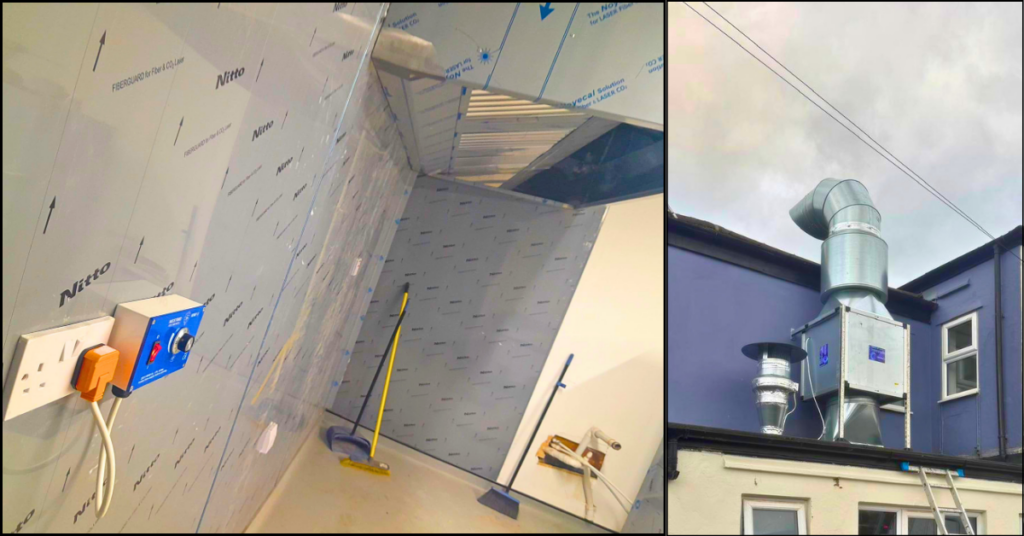
- A canopy extractor hood with baffle grease filters.
- HVAC Steel ducting – this includes silencers, bird beaks, reducers, bends, fan boxes, chinaman hats and more.
- Stainless Steel Splashbacks (often in restaurant or settings where food or bacteria can thrive).
- Extraction fans.
- Various fixtures and fittings such as thread rods and channels.
What do you need to install one? Permissions? Documents? Approval? Legalities?

Installing a canopy and extraction system in a UK restaurant or building involves far more than simply fitting a fan and ductwork. You may need council approval, fire safety compliance, gas interlocks, ventilation calculations, RAMS documentation, and ongoing maintenance certification. Here’s a simplified breakdown of the key legal and compliance requirements.
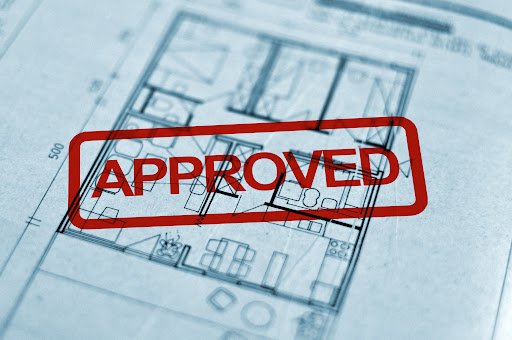
1. Planning Permission & Council Approval
You may need Planning Permission if your system includes:
- External ducting
- Roof-mounted fans or plant
- Visible flues or vents
- Changes to the building exterior
- Installations in listed buildings or conservation areas
- Systems that could create noise or odour complaints
Councils and Environmental Health departments may request:
- Ventilation drawings
- Noise assessments
- Odour control details
- Fan specifications
- Duct routes and discharge locations
Landlord or freeholder consent is also commonly required.
2. Building Regulations Compliance
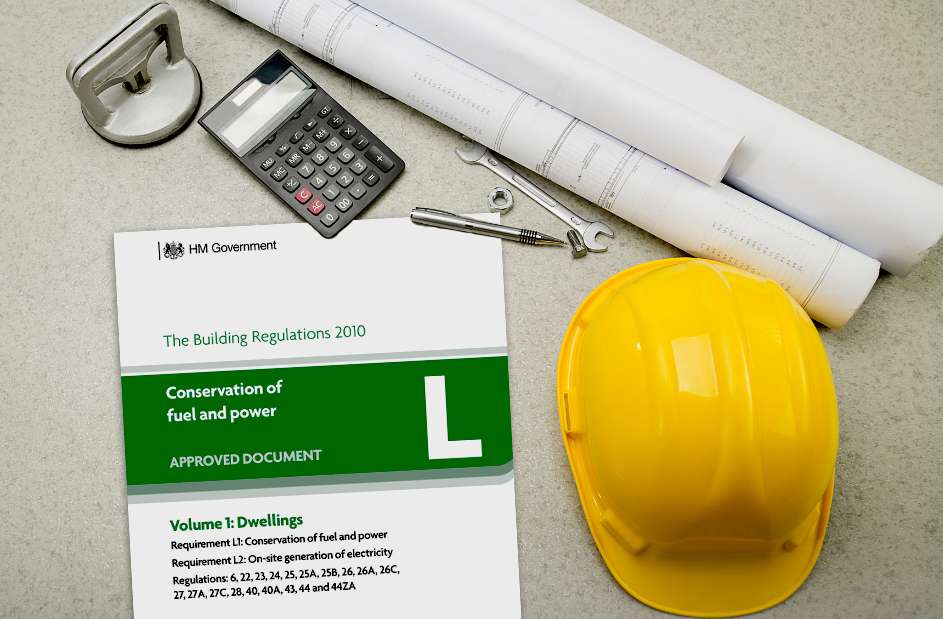
Commercial kitchen extraction systems must comply with UK Building Regulations, including:
- Part F — Ventilation
- Part B — Fire Safety
- Part L — Energy Efficiency
Building Control may inspect:
- Fire stopping
- Duct penetrations
- Airflow performance
- Electrical works
- Ventilation balancing
3. DW172 & DW144 Standards
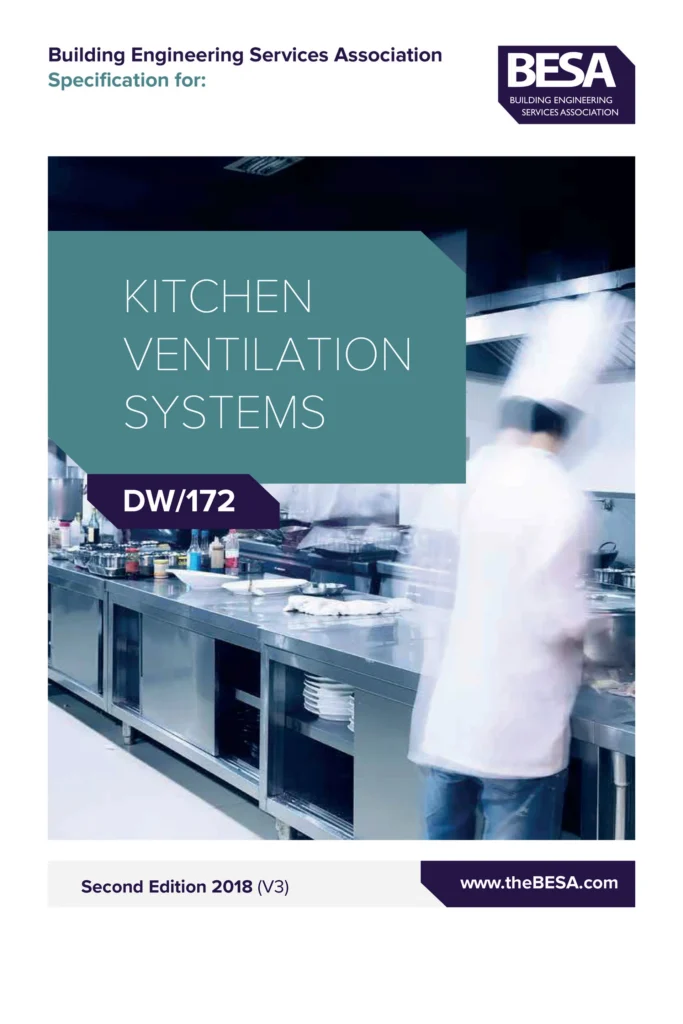
Most professional systems are designed to comply with:
- DW172 — Commercial Kitchen Ventilation Systems
- DW144 — Ductwork Specification
These standards cover:
- Canopy sizing
- Airflow rates
- Grease filtration
- Cleaning access
- Fire safety
- Odour control
- Make-up air requirements
Although not technically law, they are widely expected by councils, insurers, and inspectors.
4. Gas Safety & Interlock Systems
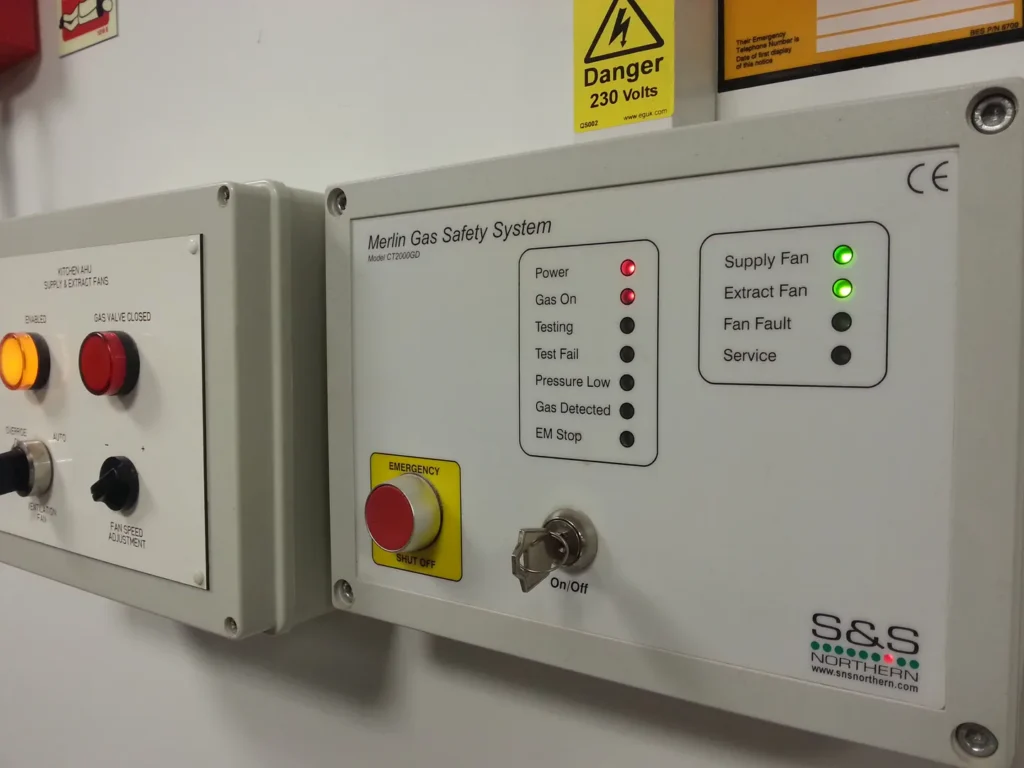
If your kitchen uses gas appliances, UK regulations usually require:
- A gas interlock system
- Airflow proving switches
- Emergency gas shut-off controls
This ensures the gas supply automatically shuts off if the extraction system fails.
5. Make-Up Air Requirements
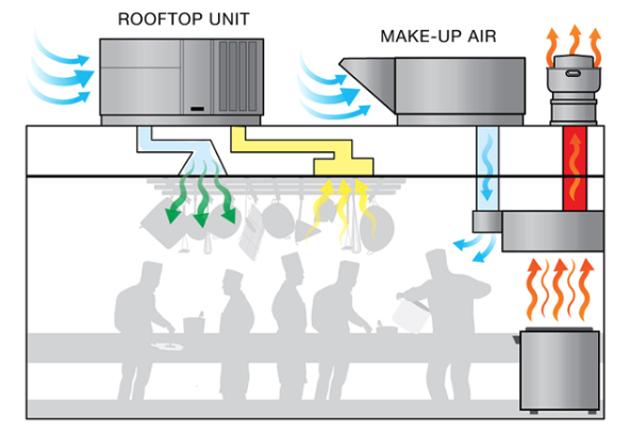
Extraction systems remove large volumes of air, so replacement air (“make-up air”) is essential.
Without proper make-up air, you can experience:
- Poor extraction performance
- Excessive heat
- Door pressure issues
- Dangerous carbon monoxide risks
Many systems require a dedicated fresh air supply system.
6. Fire Safety Requirements
Kitchen extraction systems are considered a major fire risk due to grease build-up.
Fire safety requirements may include:
- Fire-rated ductwork
- Fire stopping
- Grease access panels
- Fire suppression systems
- Regular grease cleaning
Insurers often expect compliance with TR19 Grease cleaning standards.
7. Electrical Compliance
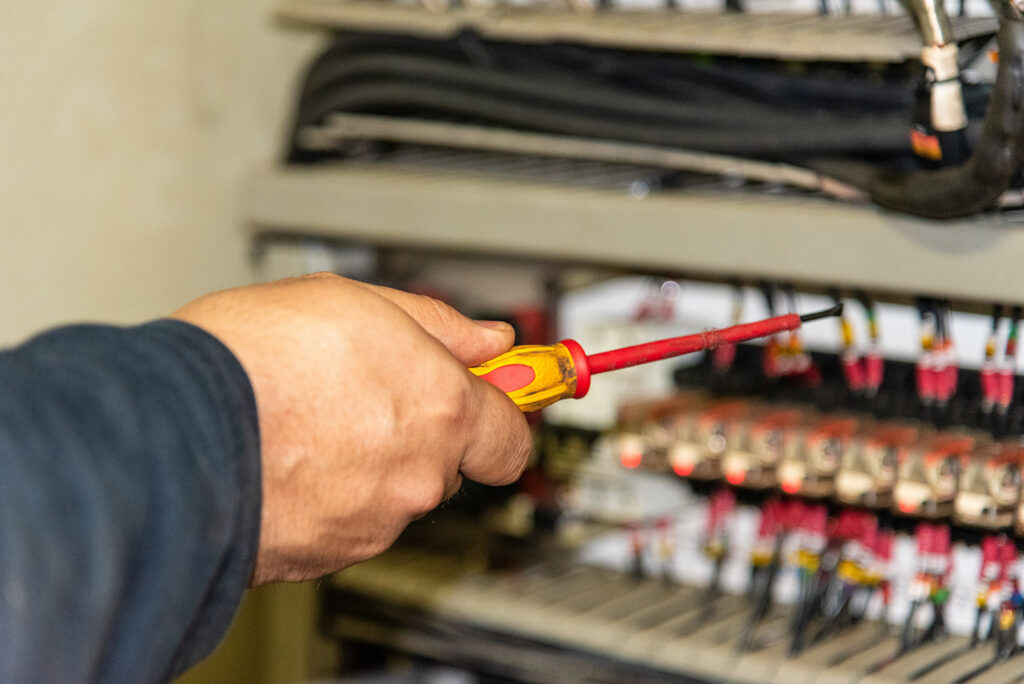
Extraction systems usually require certified electrical installation, including:
- Isolators
- Fan controls
- Emergency stops
- Interlock connections
You should receive electrical certification on completion.
8. RAMS (Risk Assessments & Method Statements)
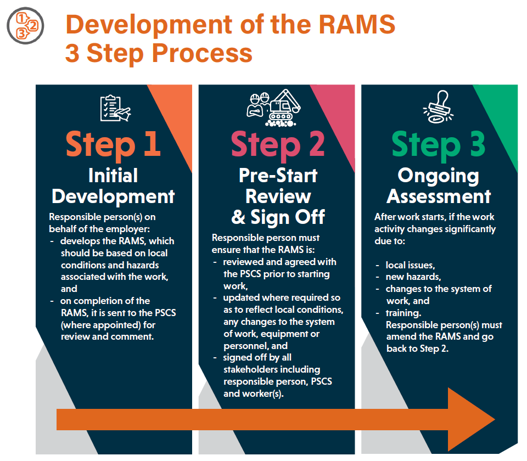
RAMS are commonly required for commercial installations and are often requested by:
- Councils
- Landlords
- Main contractors
- Shopping centres
- Insurers
RAMS cover installation risks such as:
- Working at height
- Hot works
- Roof access
- Electrical isolation
- Fire hazards
9. CDM Regulations 2015
If multiple contractors are involved, the project may fall under CDM Regulations 2015.
This can require:
- A Principal Contractor
- A Principal Designer
- Construction Phase Plans
- Site safety management
10. Noise & Odour Control
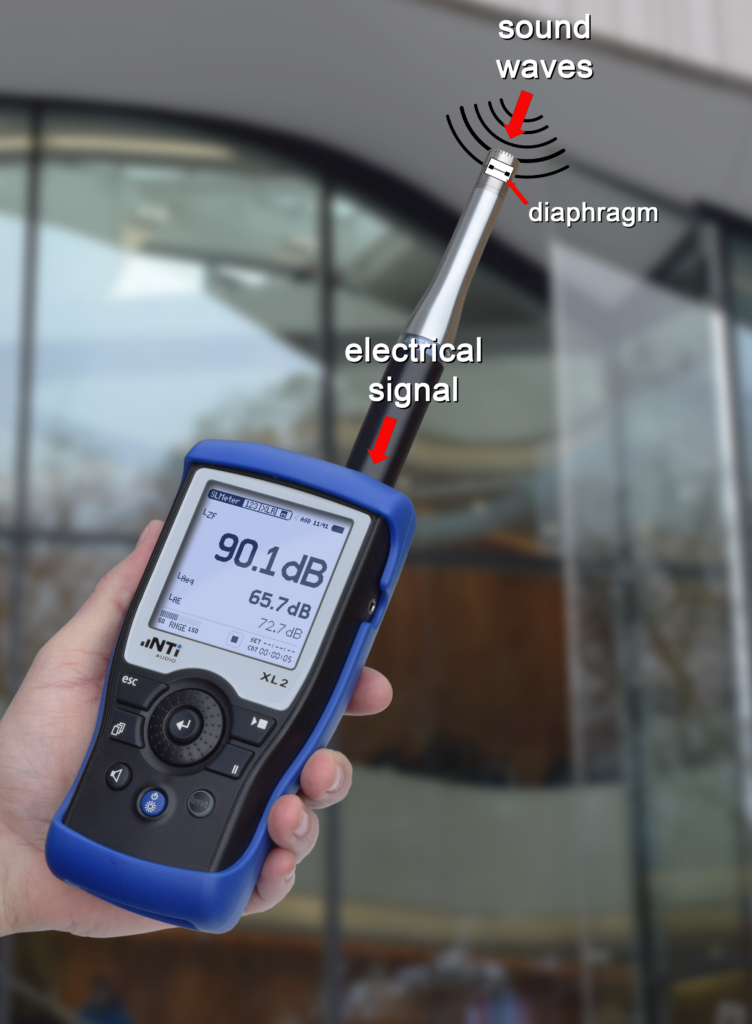
Local authorities take kitchen odour and fan noise seriously.
You may need:
- Carbon filters
- ESP or UV filtration
- Acoustic silencers
- Anti-vibration mounts
- Noise assessments
Failure to control odour or noise can result in complaints or enforcement action.
11. Ongoing Cleaning & Maintenance
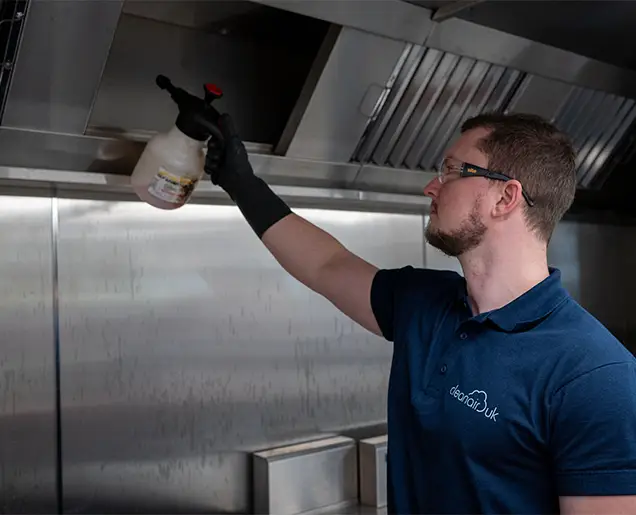
Regular maintenance is a legal and insurance requirement.
This includes:
- Grease filter cleaning
- Ductwork cleaning
- Fan maintenance
- TR19 grease compliance
- Maintenance records
Poor maintenance can invalidate insurance after a fire.
12. Certifications & Documents You Should Receive
After installation, you should ideally receive:
- Airflow commissioning reports
- Electrical certificates
- Gas interlock certification
- Fire stopping certification
- Maintenance manuals
- Warranty documents
- As-fitted drawings
13. Is HVAC Level 2 Required?
There is no specific legal requirement for “HVAC Level 2” to own or install a kitchen extraction system. However, installers should be suitably qualified and competent, such as:
- Gas Safe registered engineers
- NICEIC or NAPIT electricians
- HVAC specialists
- F-Gas certified engineers (where applicable)
Competence and certification matter more than a specific qualification title.
Final Thoughts
A commercial kitchen extraction system (or a canopy extraction system) is not just a ventilation upgrade — it is a regulated safety-critical installation involving planning, fire safety, gas safety, environmental compliance, and ongoing maintenance obligations. Working with experienced commercial kitchen ventilation specialists from the start can help avoid planning issues, failed inspections, insurance problems, and costly rework later on.